Islands with local communities
Imagine the Maldives without luxury, without jacuzzis, without overwater villas. Without a pre-arranged programme for every minute of your holiday.
And yet with the same incredible ocean, the same white beaches, palms, coral reefs and all those wonders that draw people to the Maldives in the first place.
Welcome to the local islands!
The Maldives is an archipelago of around 1,200 islands grouped into atolls. Nearly 200 are inhabited by Maldivians. Others have been turned into resorts, while many of the rest are uninhabited.
For many years, visitors could mainly stay at resorts, separate from local life. In 2009, a change began that allowed Maldivians to open guesthouses on their own islands.
And suddenly, the Maldives became accessible to many more people.
When you stay on a local island, you are in a real community. With local homes, a school, a mosque, little shops, fishing boats and children playing in the streets.
You are guests on that island, but the island was not built for you. And that, in my view, is its greatest charm.
The Maldives you do not see in the adverts
On a local island, you can sit in a little restaurant, chat to the owner, and learn about their family, what the children do and how people make a living.
You can watch fishermen return with their catch, wander down narrow lanes and discover a little shop that appears in no travel guide.
And very quickly, you begin to know people.
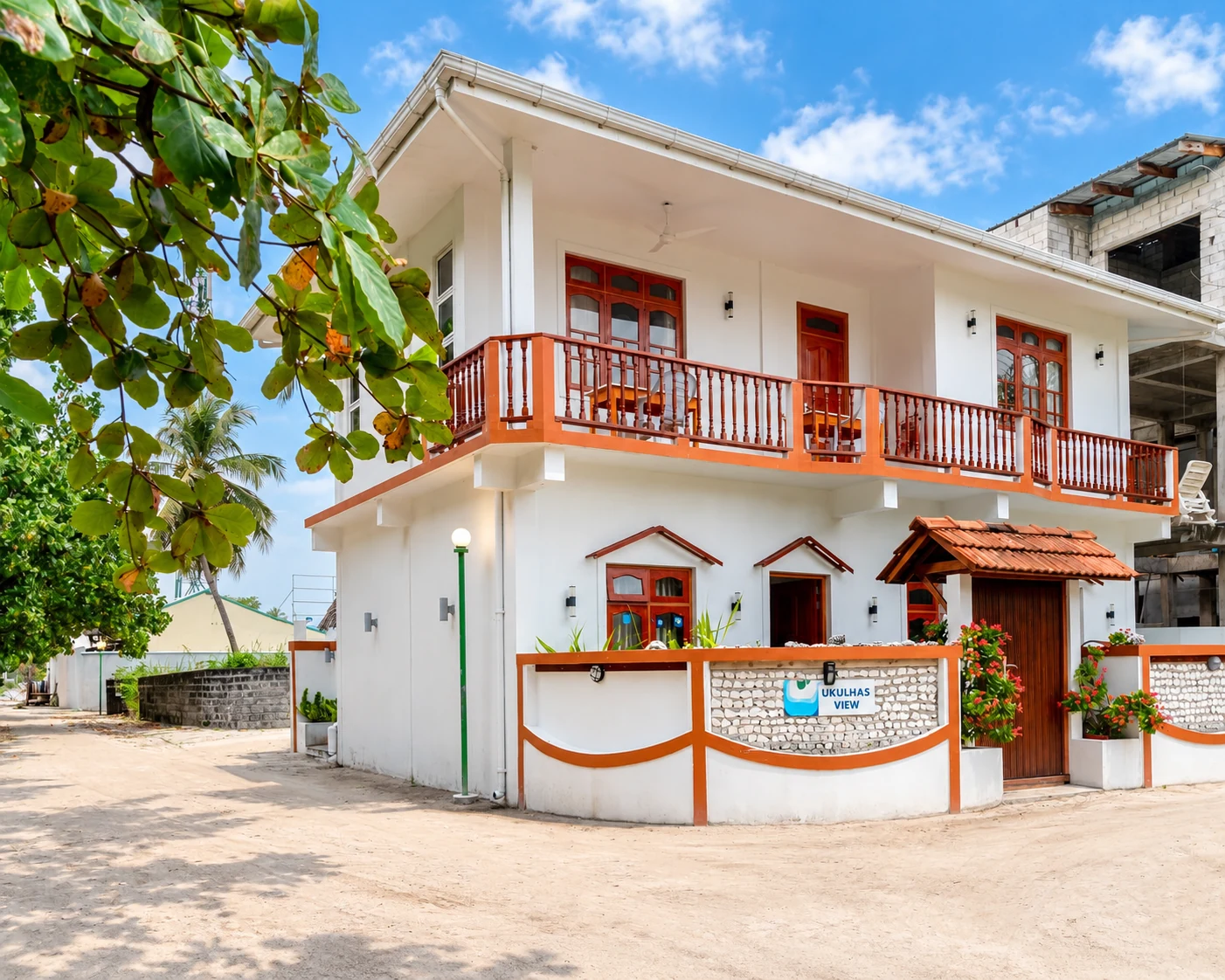
When we returned to Ukulhas for the second time, the hotel owner proudly welcomed us as the first tourists to return to the same hotel. By our next visit, they were greeting us with banners and a whole little delegation. :)
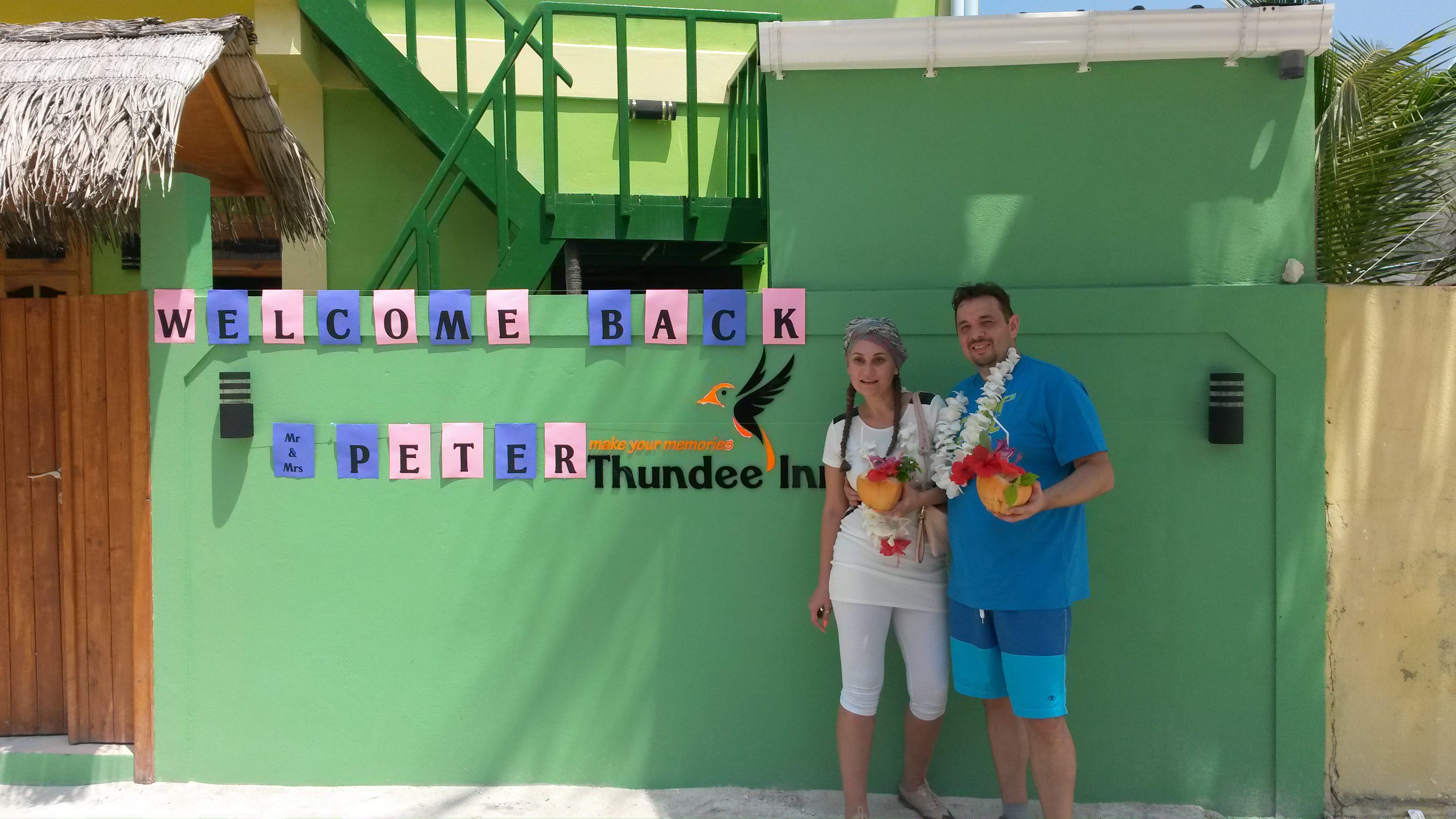
Years have passed since then. Now, when I walk around the island, more people greet me than in my neighbourhood in Bulgaria.
No resort could warm my heart quite like a “Hello Peter” from a child who was not yet born when I first visited their island. How many stars is that worth?
But do not expect everything to look like a postcard
I want to be completely clear: local islands have their drawbacks.
You may come across unfinished buildings, construction sites, neglected yards or streets that look nothing like your idea of a luxury tropical resort.
Construction has become quite intense on some islands. Bigger and bigger hotels are appearing, bringing more tourists. Not every change is for the better.
There are also aspects of local culture to bear in mind. The Maldives is a Muslim country. Inhabited islands do not have the usual alcohol-centred tourist scene, and swimwear is allowed on designated tourist beaches. On some islands, those beaches are large; on others, not so much.
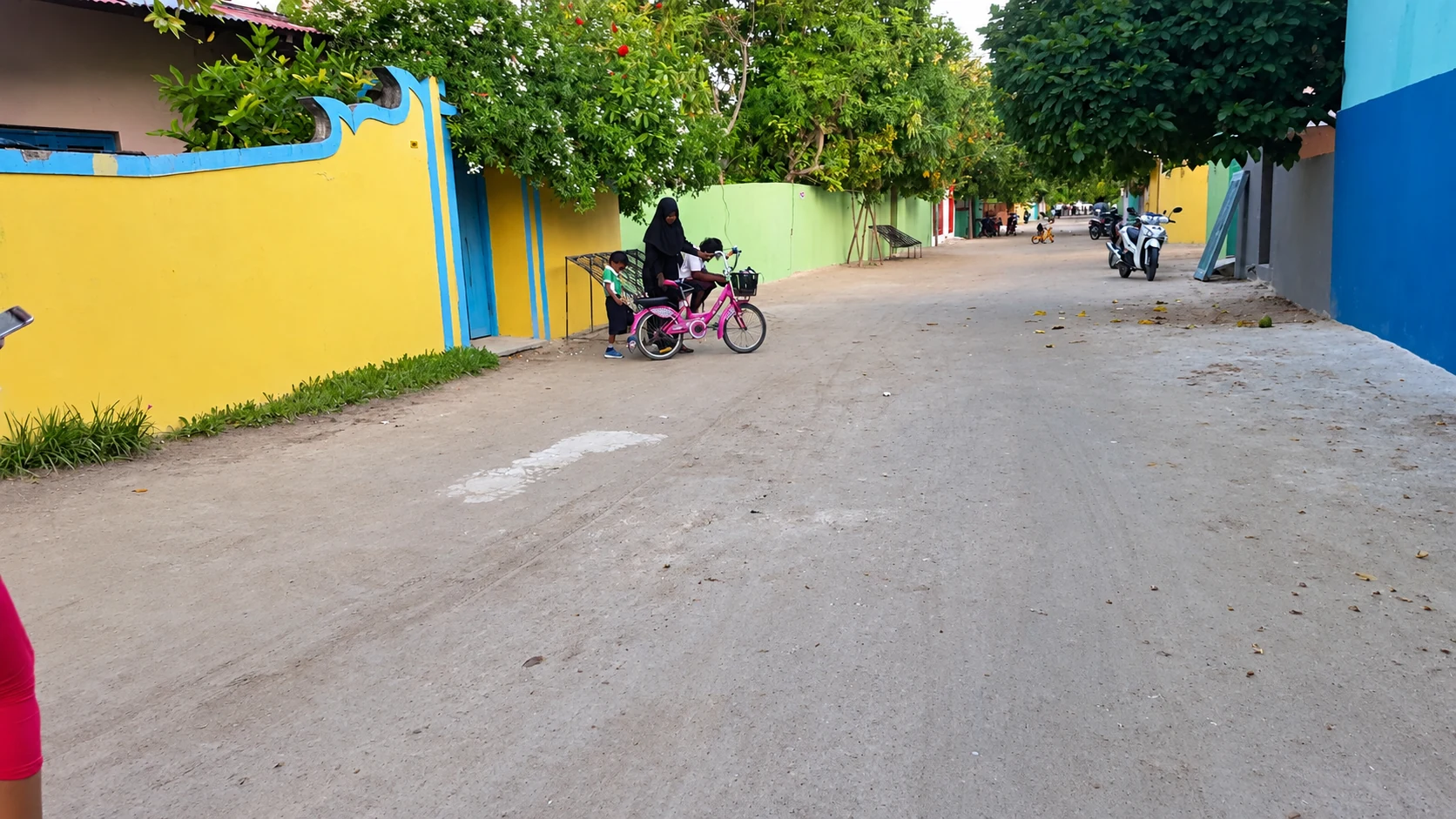
This is real island life. You may not like every part of it.
If you are expecting a resort but have booked a hotel on a local island, there is a good chance you will be disappointed. Not because the place is bad, but because you were expecting a completely different kind of holiday.
And what about the beaches and reefs?
Now this is where it gets good!
When it comes to nature, local islands need not be second best to resorts in any way. You can find magnificent beaches, incredible reefs and swimming spots you will remember for the rest of your life.
My own experience and the many accounts shared in the group give me good reason to say that local islands often offer more of the real natural world I am looking for too, and reefs that are easier to reach than those at quite a few resorts.
And once we start talking about excursions, there really is no contest: I have never heard of a resort offering the variety and quality you can find on local islands. And at a fraction of resort prices.
For me, this is the main reason to keep coming back.
You have the freedom to choose when and where to swim, where to eat, which excursions to take and who to go with. You can spend half a day among the fish on the reef, head out on a boat to see mantas in the afternoon, then have dinner in a little restaurant among the locals.
And all of this usually costs considerably less than a similar holiday at a resort.
Of course, the islands are not all the same. One has a wonderful beach but a reef that is difficult to reach. Another offers an incredible underwater world but is busier. A third is quiet and peaceful, but has fewer excursion options.
That is why choosing the right island matters so much.
Who is this kind of holiday for?
For people who enjoy discovering, talking to others, observing and experiencing things.
For people who care more about the beach, the reef and the ocean than the size of the television in their hotel room.
For families who want to show their children not just beautiful nature, but also how people live on the other side of the world.
I am not saying this holiday suits everyone. But if you are someone for whom travel means more than a nice hotel, it is well worth considering.
In fact, this is exactly the side of the Maldives I created this website for.
Elsewhere on the site, I write about the islands I know better, the hotels, beaches, reefs, excursions and all those little quirks it helps to know about before you go.
And who knows — you might turn out to be one of those people who go once, then find a reason to return every year. :)