Overbooking
Statistics show that the chance of your reservation being overbooked is 1–2%. In other words, one or two in every 100 bookings are affected by overbooking for at least one night. The chance is small, but it exists.
I have been meaning to write a post on this since last year and keep putting it off. Now, in the middle of the season, these things have started happening, and I want to explain why and how they can be prevented.

Overbooking is when a hotel offers more available rooms than it actually has. To people who travel less often, it probably sounds strange, but overbooking is practised worldwide in all kinds of hotels and chains. Well, perhaps not seven-star ones, but my line of work means I am certain about five-star hotels at least. Even the best hotels in Bulgaria do it. In fact, it is not only hotels: planes, boats and trains do it too...
Why? Because statistics (experience) show that a certain percentage of reservations are cancelled by guests at the last minute. If that happens during a busy period when the hotel is 100% full, every cancellation is a direct loss, since that room could very likely have been occupied by someone else. Deciding what percentage to overbook is not simple. It requires constant thought. Every peak season, overbooking is a nightmare for hotels as they are torn between several important things:
– They want maximum revenue and, if possible, 100% room occupancy.
– They do not want a single guest arriving with no room available, leaving them to work out which hotel to send the guest to, or simply turn them away.
– They want certainty about reservations and to take a non-refundable deposit, but that puts them at a disadvantage against other hotels willing to take the risk.
However much you may dislike it, that is the business, and if you worked in it you would understand the people in the industry.
It is a quiet but powerful storm that we guests usually know nothing about... until it happens to us.
I have seen people denied boarding on flights they had paid for because there was no space left on the plane. Likewise, people left at the harbour with tickets in their hands for the same reason. I have seen overbooked hotels in different parts of the world. It has happened to me too — twice in the Maldives.
Why is this a more noticeable problem in the small hotels of the Maldives?
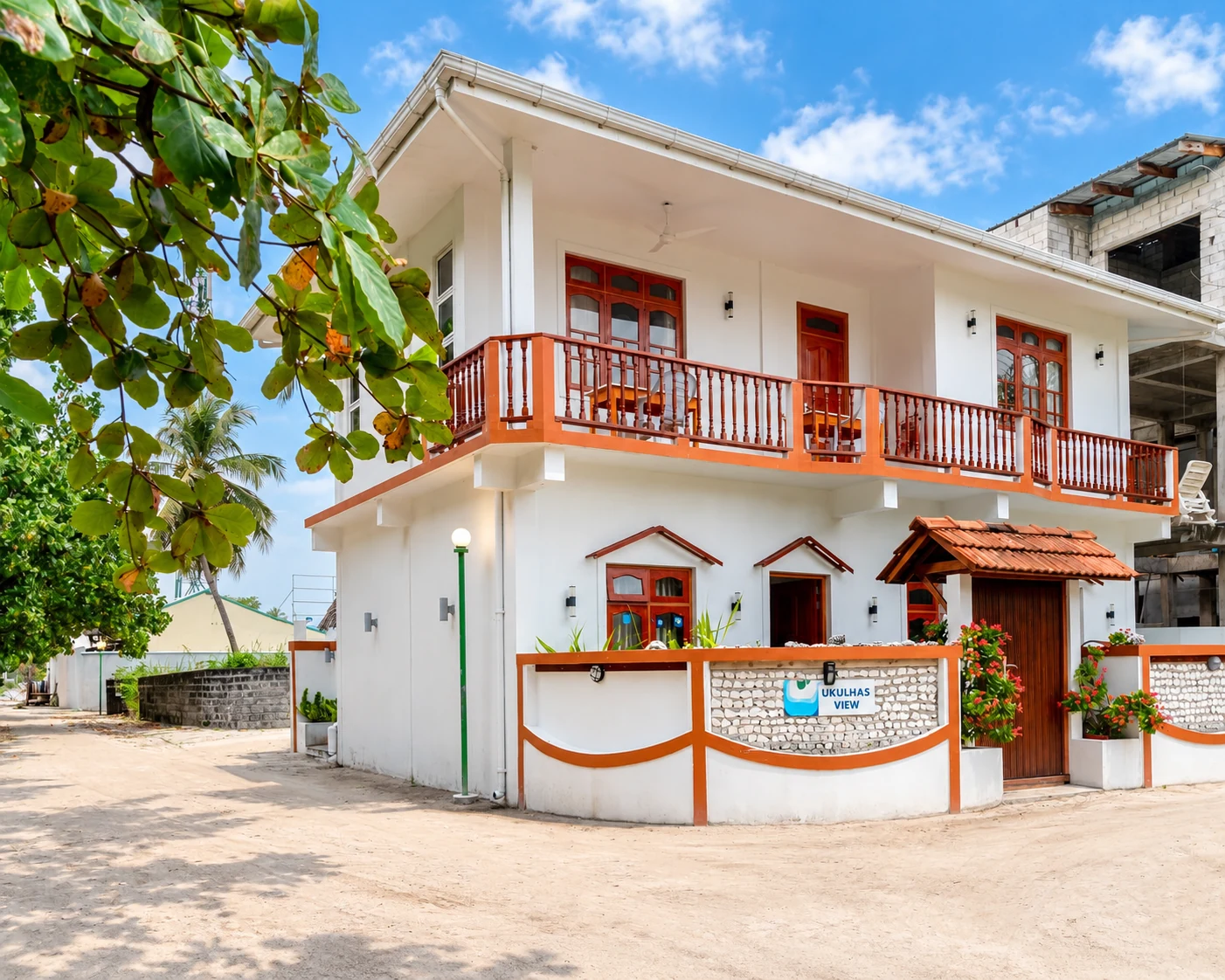
Because they are small. If a little hotel with six rooms decides to overbook even one room, that is already 17% overbooking, whereas in large hotels it is usually 5–7 per cent.
Let us not blame only the hoteliers for overbooking. I think we guests may be an even bigger part of the cause. How many of you have booked three or four little hotels at once and left the decision until the last moment when you could cancel the unwanted reservations? Quite a few, right? I did it for a long time too. And what do you think happens to the rooms you cancel two days before arrival? They stay empty, or are filled by the overbooking.
What happens when there is overbooking, specifically in the Maldives?
It is straightforward: guests for whom there is no room are put up in another little hotel. Overbooking has not yet reached the point where there is no space anywhere.
Being moved to another hotel is not necessarily a bad thing. In one of my cases, they put me in a much better little hotel than the one I had booked. Even so, it is still not desirable. In these situations, guests often also receive some compensation or gifts: a free night or excursion, for example. That is why the reviews they eventually leave are positive. The ocean and the Maldives heal all such troubles.
What can you do to make sure it is not your reservation that gets overbooked? First: do nothing, stay positive and trust that you will be among the 99% of bookings without a problem. Second: if you still want to be sure, contact your host directly and ask for reassurance that your booking will be for the exact room you chose. Locals take such promises very seriously.