Food and drinks
The Maldives is all very well… but you do have to eat 😉
Every day, even. Some people do it three times a day.
At resorts, it seems easier: they are prepared for European tastes.
On local islands, things are — or at least used to be — different.
A faraway country, a different culture, different people… What do they eat there? Will I like it? What if it is very spicy? Should I bring croissants from Bulgaria? :)
You may be surprised, but you can eat wonderfully well.
In one of the polls, food came top of the group's interests. So I will go into a little more detail.
Traditional Maldivian cooking is based mainly on fish, coconuts and rice. Understandably so: look at where the country is and how little land it has for farming.
There are interesting local specialities worth trying. For example, mas huni — tuna with coconut and spices, usually eaten for breakfast. Or garudhiya — a traditional fish soup.
But do not imagine you will have to eat nothing but fish and rice for two weeks.
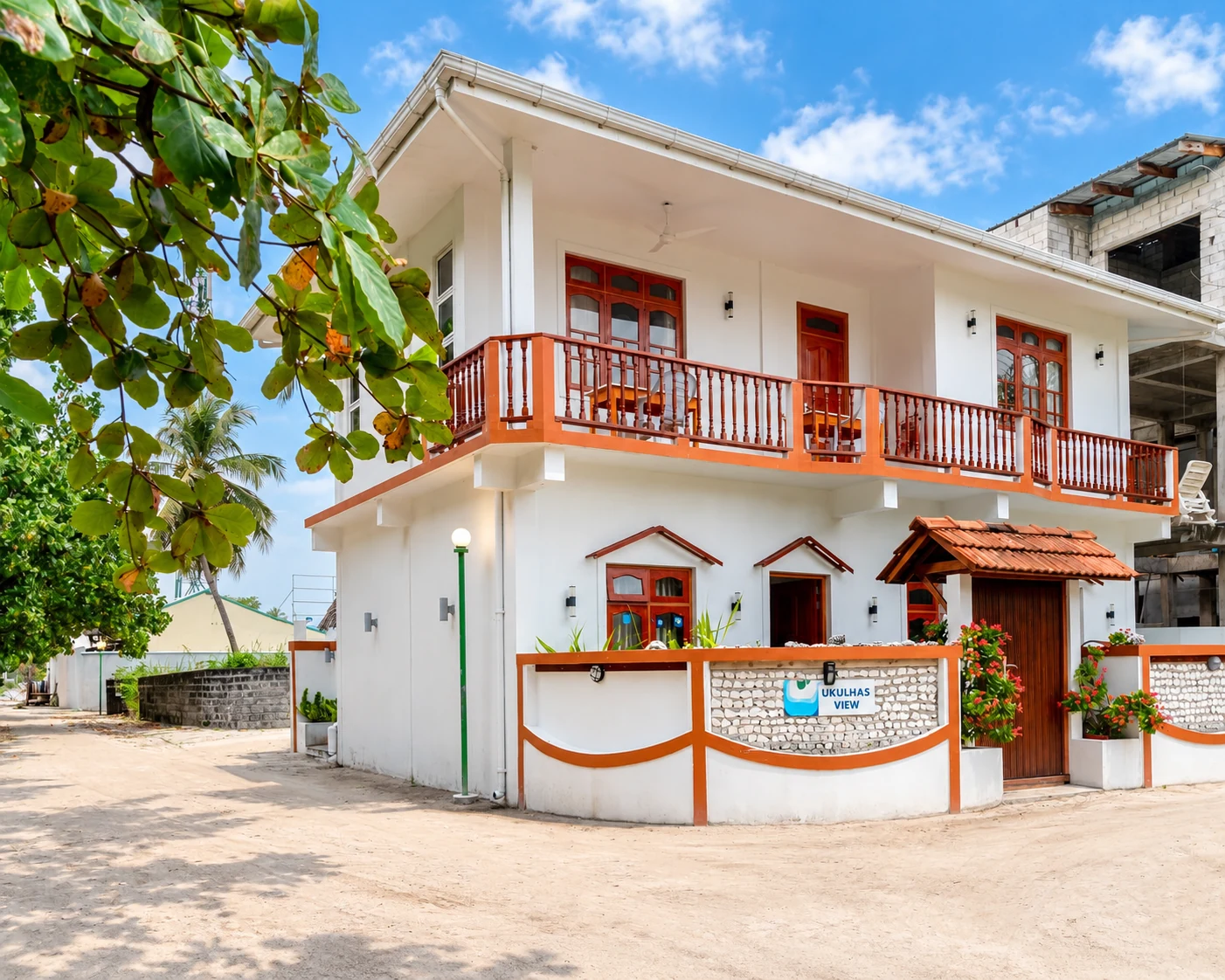
On the islands I know better — Ukulhas, Thoddoo, Rasdhoo, Mathiveri and Bodufolhudhoo — food for visitors has developed enormously in recent years.
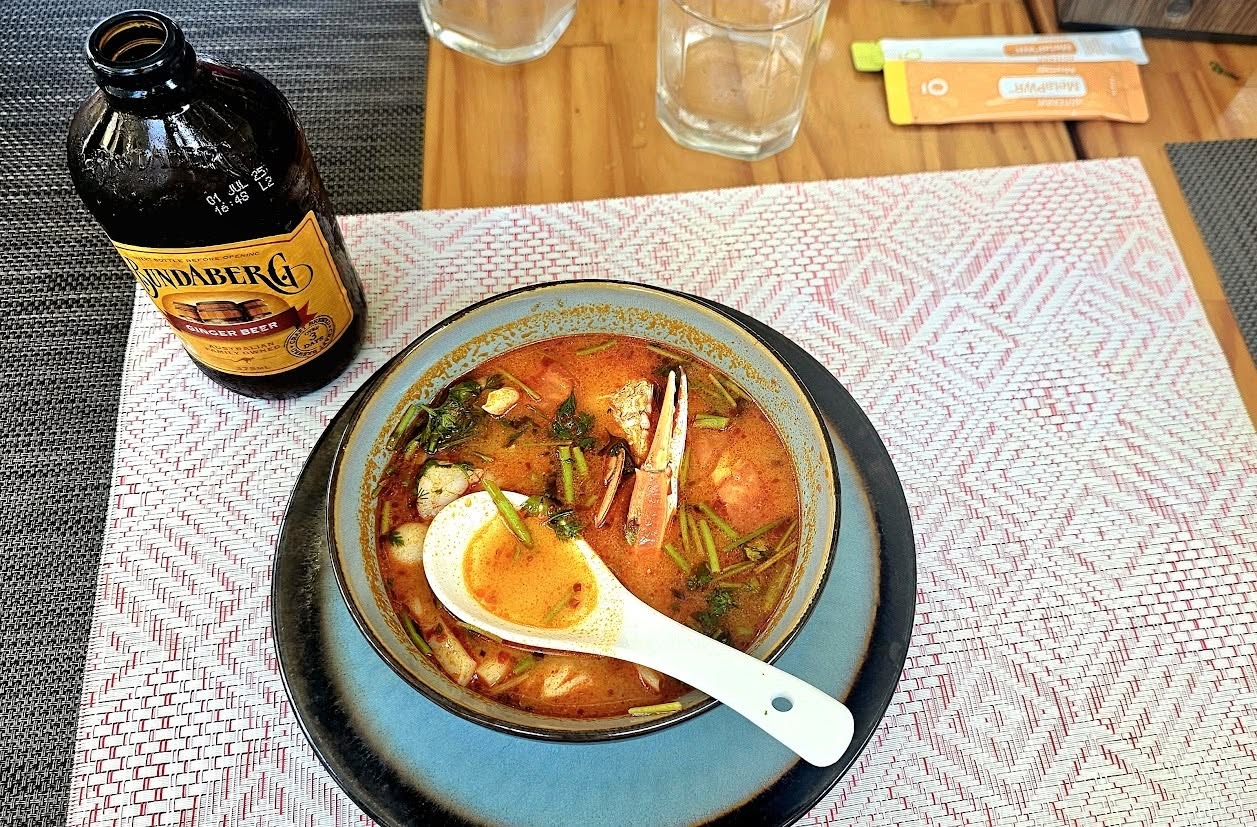
Ukulhas, for example, has restaurants serving Thai and Indian food, local dishes, spaghetti, pizzas, burgers, soups and all sorts of other things.
And they do not merely exist. Many of these dishes are really tasty.
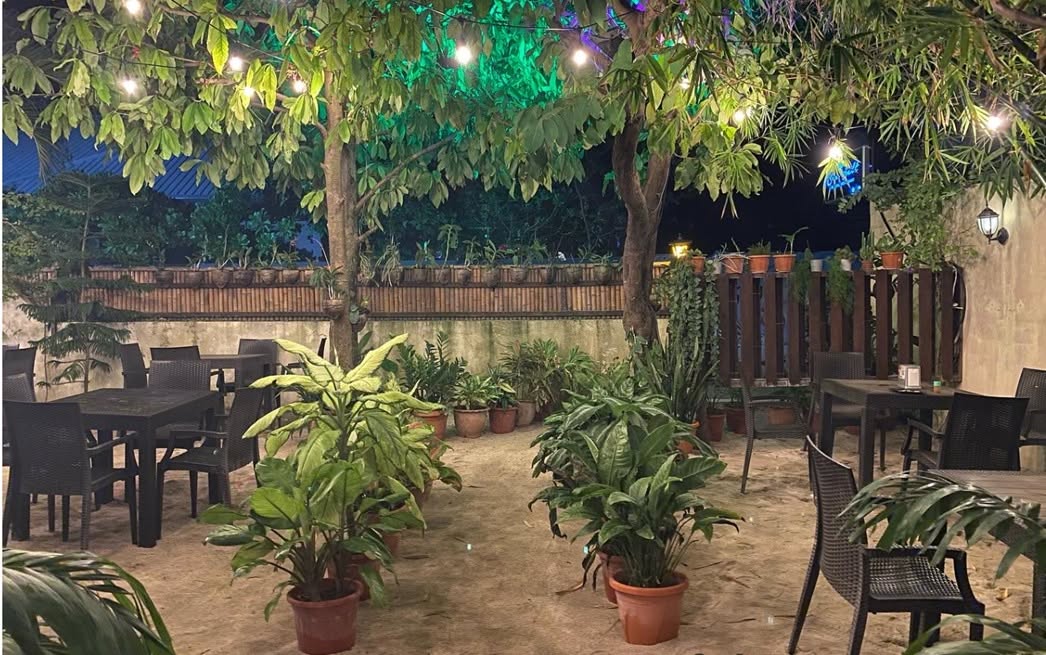
Little restaurants — one of the pleasant surprises
I am very fond of the little restaurants on local islands.
Some have just a few tables. The menu may not be very long, but every cook has their own way of preparing the food.
Order the same dish in two restaurants and you get two completely different things.
That actually makes the variety much greater than it seems at first glance.
I remember eating spaghetti at one of Ukulhas's little restaurants that I can comfortably call some of the best I have ever tried. And believe me, I have eaten spaghetti in quite a few places, not just Italy. :)
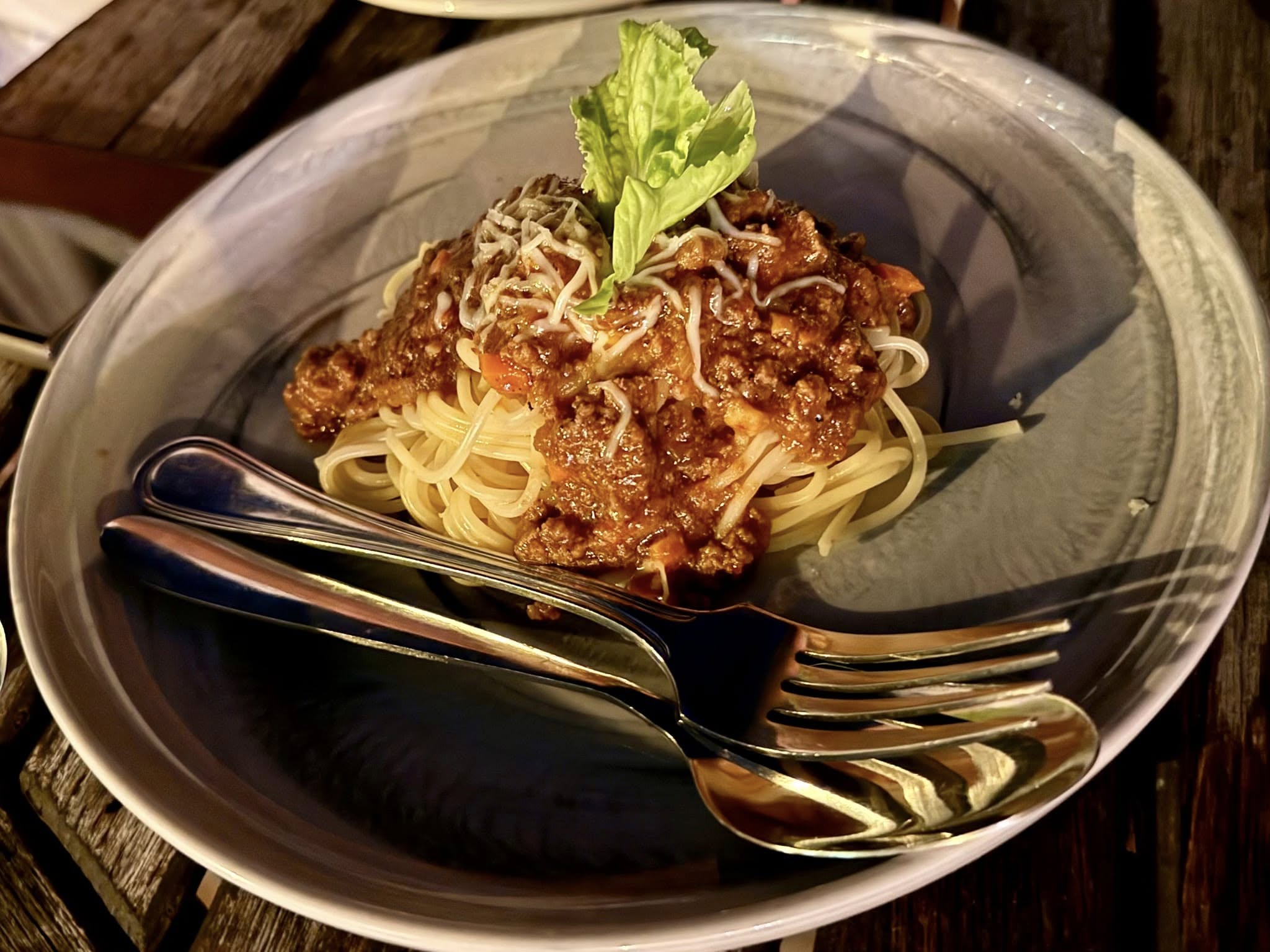
My experience with octopus is rather different. After several attempts, I concluded that, at least in the places where I ordered it, cooking it was not the chefs' strong point. Once, four of us could not chew our way through a single portion.
Of course, people in the group have had the opposite experience. Which only proves that where you order matters just as much as what you order.
And the fish!
Now we are in the right place.
Fish in the Maldives can be superb. Tuna, groupers, red snappers… And if fresh marlin fillet happens to be available, I would definitely suggest trying it.
In some restaurants, fish occupies just three lines on the menu: small, medium and large 😊 Simply because they cook whatever the fishermen caught that day.
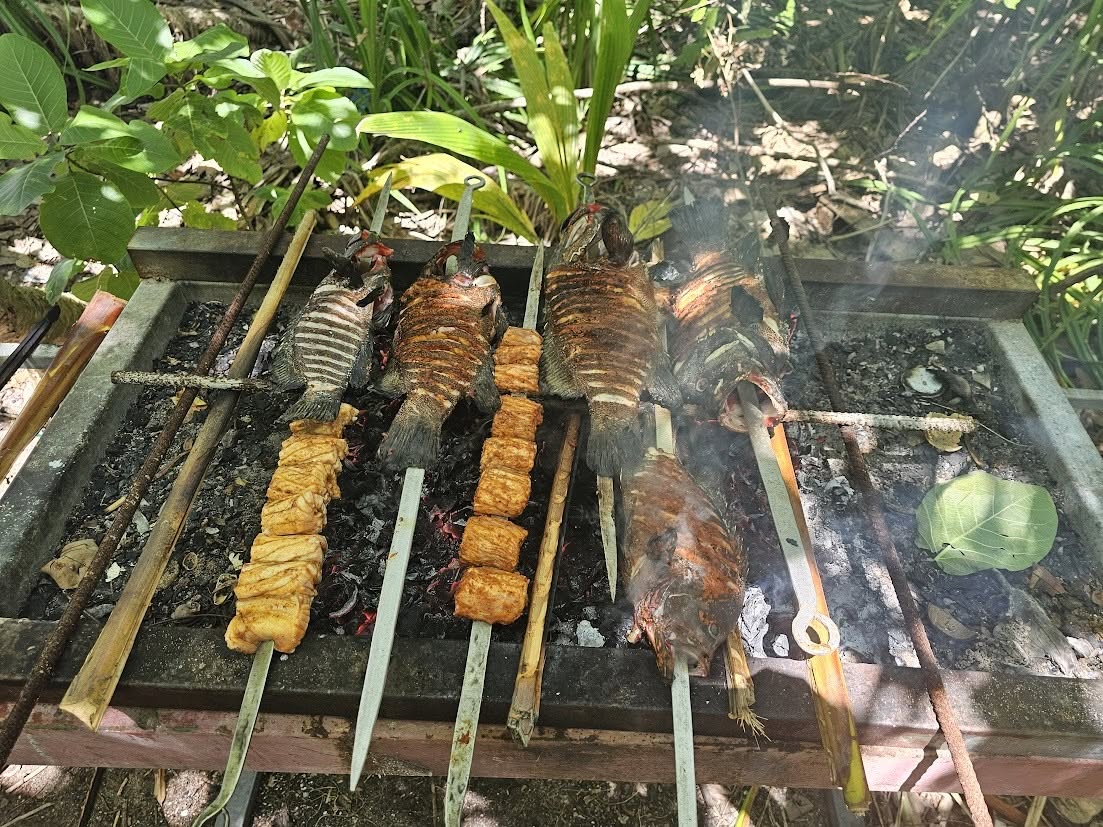
And here is something else I particularly love.
If you go fishing and have a successful catch, on some islands you can arrange for your hotel or a local restaurant to cook the fish for dinner.
Imagine an evening under the palms, with fish you caught yourself, grilled over coconut-shell embers.
For me, that beats many expensive restaurant dinners.
Here is a question worth settling while you are still planning:
Breakfast only or full board?
My advice here depends on the island you choose.
On Ukulhas, I definitely prefer a hotel with breakfast only.
The reason is simple: wherever you start from, there are enough good restaurants a step away that there is no point limiting yourself to one hotel's cooking. Besides, many small hotels actually order their food from an outside restaurant. Why pay for lunch and dinner in advance when you could choose where and what to eat every day?
On other islands, things may be different. If restaurants are few, far from your hotel or offer little variety, included meals may be more convenient.
So check the particular island first, then decide which package to book.
At resorts, the calculation is different. You cannot simply step out for dinner at a neighbouring little restaurant. Food and drinks can be expensive, so half board, full board or all-inclusive can sometimes make sense.
Just check carefully what the package includes. All-inclusive does not always mean absolutely everything.
How much does food cost?
From what I have seen in 2026, on the local islands I know, you can often eat well for around 10–15 dollars per person.
Of course, there are more expensive restaurants and dishes too. And prices change.
It is important to check the final amount, because some restaurants add taxes and a service charge to the listed price.
For me, eating independently has another advantage besides choice: you can control your own spending.
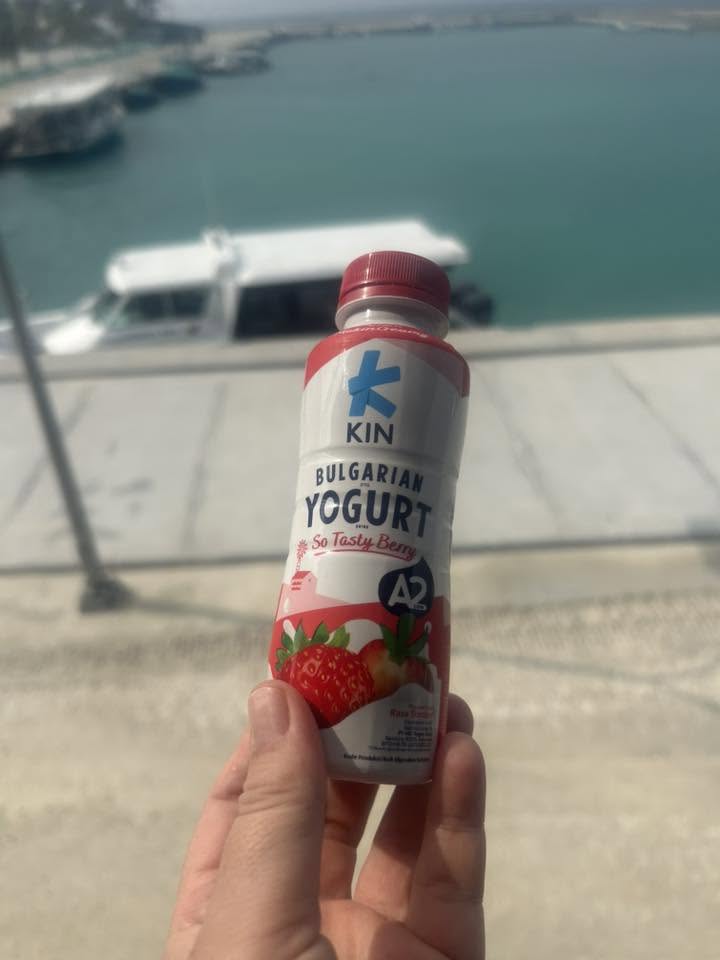
If you want to save money, the islands also have shops selling drinks, fruit, packaged food and various other groceries. The choice is quite good on the more developed islands.
So you can safely leave the croissants in Bulgaria — they have the same ones in the Maldives. :)
What about drinks?
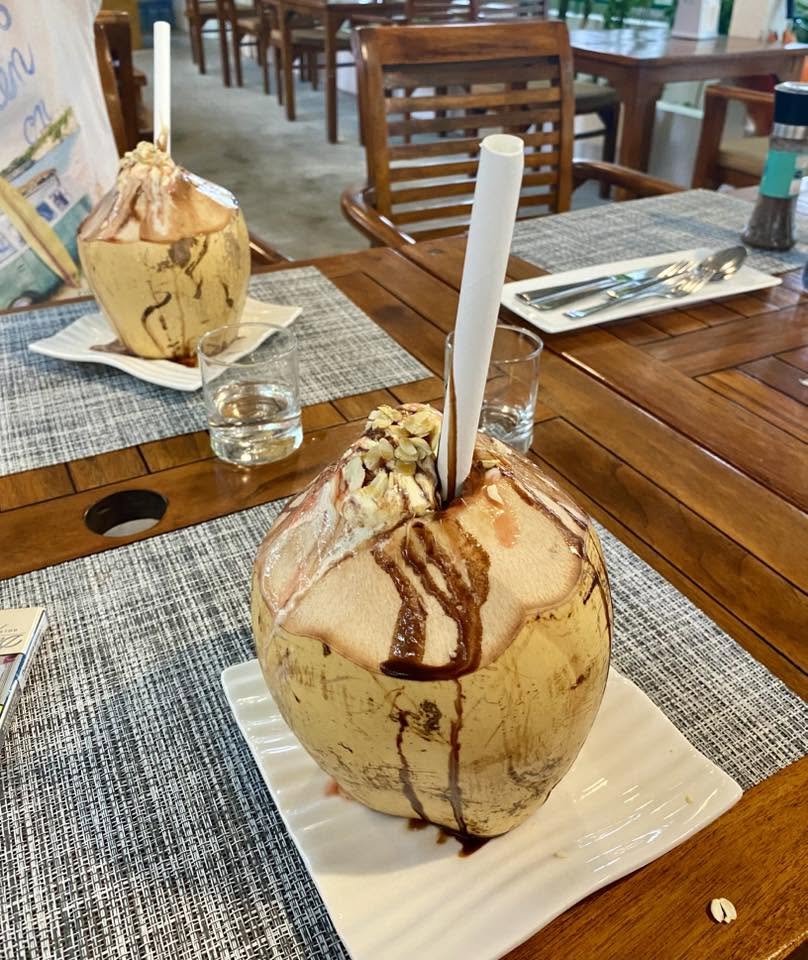
You will not go without coffee — though keep your expectations about quality in check — tea, soft drinks or water. And fresh fruit juices are a particularly pleasant addition to the holiday.
Mango, pineapple, papaya, passion fruit, coconut… Bear in mind that not all fruit is necessarily grown on the island where you are staying.
There is one important detail, though.
The Maldives is a Muslim country, and ordinary restaurants on local islands do not serve alcohol. Resorts, by contrast, sell alcoholic drinks. There are also tourist boats that serve alcohol under the applicable rules.
Do not plan to bring alcohol from Bulgaria: tourists are not allowed to import it.
If cocktails and alcoholic drinks matter to you, bear that in mind when choosing between a resort and a local island.
And finally — do not be afraid to try things!
You do not have to hunt for familiar dishes every day. Try the local food, talk to the cooks and ask what they recommend.
Oh! Mustn't forget the chilli: if you ask for “a little spicy”, be aware that you may not be able to take even a bite 😊
For me, food is another way to get to know the Maldives.
And don't be surprised if the thing you remember longest from the whole holiday is a perfectly ordinary dinner in a little restaurant with just a few tables. :)
Below, I have gathered a few posts from the group, with personal impressions, photos and quite different opinions about the food. Have a look — there is interesting stuff there. :)